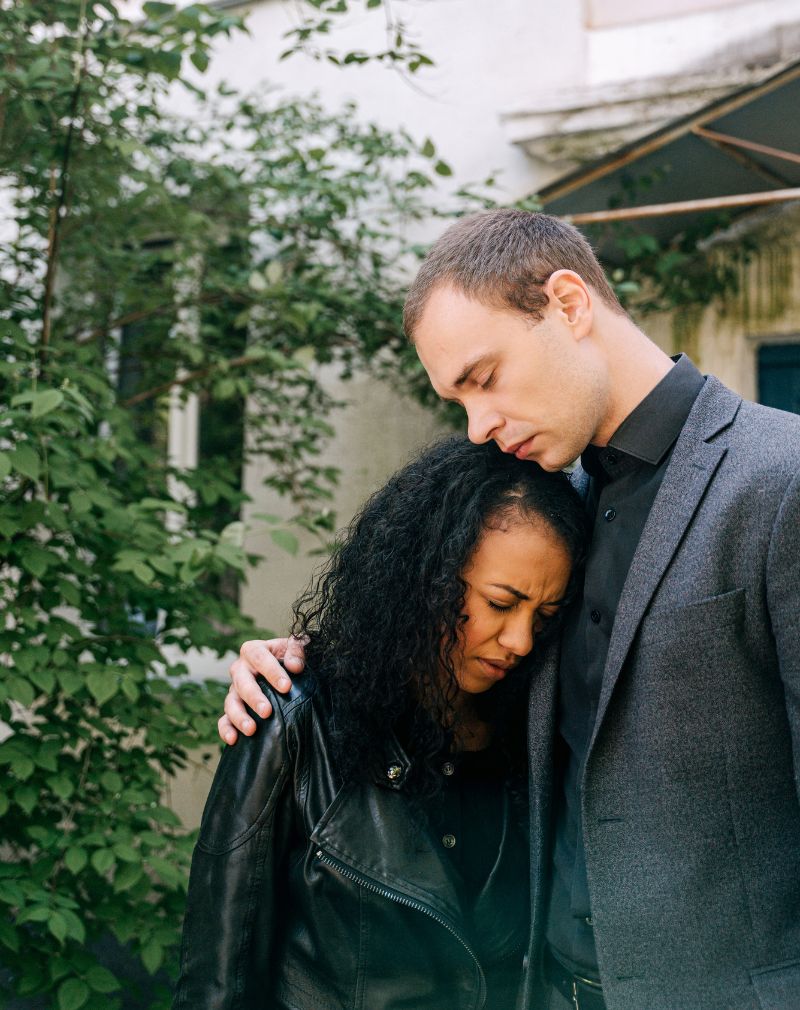
Most conversations about menopause stop at the physical. The sleep disruption, the heat, the body doing things it didn’t used to do. The emotional side gets far less room.
That’s where a lot of women quietly struggle. Mood shifts that feel disproportionate. Irritability that arrives without warning. A heaviness that doesn’t match anything happening in life.
Around 40 to 60 percent of women experience significant mood symptoms during perimenopause, including anxiety and depression, according to research published in Menopause: The Journal of the North American Menopause Society. That number is not small, and the experience behind it is not trivial.
What makes it harder is that these changes often get attributed to personality, stress, or simply not coping well enough. Women carry that interpretation quietly, for longer than they should.
At The American Wellness Center in Dubai Healthcare City, the Female Mental Health team sees this pattern regularly: mood changes that were real, biological, and entirely treatable, arriving long before anyone thought to take them seriously.
This isn’t about being difficult or emotionally fragile. It’s about a hormonal system that has been central to mood regulation for decades, beginning to shift. And the question worth asking is what that shift actually does, and what can be done about it.
What’s Actually Happening Hormonally
Estrogen does more than people think. One of its quieter jobs is supporting serotonin, the brain chemical most associated with mood stability, calm, and emotional steadiness.
When estrogen begins to decline during perimenopause, serotonin production and receptor sensitivity both drop with it. The result isn’t just a hormonal shift. It’s a change in the brain’s ability to regulate mood from one moment to the next.
Progesterone plays a different role. It has a natural calming effect on the nervous system, partly by supporting GABA, the chemical that helps the brain feel settled rather than on edge. As progesterone falls, that buffer goes with it.
What’s left is a nervous system that’s more reactive, less able to absorb stress, and quicker to hit its limit. Not because something is wrong with you. Because the chemistry that was quietly doing its job for decades is no longer as available.
The Mood Changes That Get Missed
Hot flashes get the attention. What happens below the surface is harder to name and easier to dismiss.
Many women describe a version of themselves during perimenopause that feels unfamiliar. Shorter fuse. Heavier mornings. A flatness that doesn’t lift even when things are objectively fine.
The symptoms that often go unrecognized include:
- Irritability that feels disproportionate to the situation
- Anxiety that arrives without a clear cause
- Low mood that doesn’t match life circumstances
- Emotional blunting, where things that used to matter feel distant
- Poor sleep, which then compounds every other symptom
Sleep deserves particular attention here. Disrupted sleep during menopause isn’t only about discomfort. Chronic sleep loss directly affects emotional regulation, patience, and resilience. It feeds the cycle rather than sitting separately from it.
For women who have previously experienced significant hormonal mood sensitivity, particularly around their cycle, the transition into perimenopause can feel sharper. Those with a history of PMDD and hormonal mood disorders are more likely to experience pronounced mood changes during this transition, because their nervous systems have already shown sensitivity to hormonal fluctuation.
That history matters. And it’s worth mentioning to anyone you speak to about support.
Why Women Dismiss It
There’s a quiet expectation that women absorb difficulty without commentary. Menopause lands inside that expectation, and most women carry it accordingly.
The most common thought is some version of: this is just part of it. Push through. Others manage. The mood changes get filed under stress, or tiredness, or personality, and the conversation ends there.
There’s also the threshold problem. Nothing feels dramatic enough to mention. The irritability isn’t a breakdown. The anxiety isn’t debilitating. The low mood lifts sometimes. So it doesn’t feel like something that warrants support, just something to live with.
But waiting for a crisis to seek care is a pattern that costs more than it saves. Mood symptoms that go unaddressed through perimenopause tend to deepen, not resolve on their own. The biology doesn’t stabilize just because the feeling has been normalized.
The cultural framing around menopause has been slow to change. It’s still treated in many circles as an inconvenience to tolerate rather than a transition that deserves proper attention. That framing does real harm, quietly and consistently.
When Mood Changes Cross Into Something That Needs Attention
There’s a difference between mood that shifts and mood that settles in. The first is expected during hormonal transition. The second deserves a closer look.
Perimenopause is one of the highest-risk windows for a first or recurrent episode of clinical depression in a woman’s life. Research from the Harvard Study of Moods and Cycles found that women were twice as likely to develop major depression during perimenopause compared to premenopausal years, even women with no prior history of it.
That statistic matters because depression during this transition is frequently misread as normal adjustment. The low energy gets blamed on poor sleep. The withdrawal gets explained away as introversion. The persistent flatness gets accepted as a new baseline.
The signs that suggest something beyond adjustment include:
- Low mood that persists for two weeks or longer without lifting
- Loss of interest in things that previously brought satisfaction
- Difficulty concentrating or making simple decisions
- Physical heaviness, fatigue that sleep doesn’t touch
- Increased anxiety, particularly in the mornings
- A sense of disconnection from your own life
Post-menopause carries its own risk. Once periods have stopped entirely, some women find the mood symptoms ease. Others find they deepen, particularly if the transition was prolonged or the emotional weight of it went unsupported.
Hormonal transitions at opposite ends of a woman’s life, early pregnancy and menopause, share more than people expect. Both involve rapid hormonal reorganisation, both affect mood in ways that are biological rather than chosen, and both are still under-supported. Prenatal and antenatal mental health receives growing attention now, rightly so. Menopause deserves the same seriousness, not as a lesser concern, but as an equal one.
What Support Looks Like
Support during menopause doesn’t require a crisis to justify it. It requires recognising that mood is being affected by something real, and that real things respond to proper care.
Therapy during this period focuses less on solving problems and more on understanding patterns. Why certain moments feel unbearable. Why anxiety spikes at particular times. How sleep, mood, and hormonal rhythm are connected in ways that, once understood, become less frightening.
Psychoeducation matters here more than most people expect. When a woman understands what estrogen withdrawal actually does to serotonin, the irritability stops feeling like a character flaw. That shift in understanding has its own therapeutic weight.
Menopause and midlife mood health support at The American Wellness Center in Dubai Healthcare City is built around exactly this: helping women understand what’s happening, not just manage what they’re feeling.
The goal isn’t to make menopause invisible. It’s to make the emotional experience of it less isolating, and far more manageable than most women are told it can be.
This Deserves More Than Quiet Endurance
Menopause is not a personality change. It’s not a woman becoming harder to be around, or less resilient than she used to be. It’s a biological shift that touches mood, cognition, sleep, and self-perception, often all at once.
The emotional weight of that gets carried in silence more than it should.
Mood changes during this transition are not weakness asking to be hidden. They are signals asking to be understood. There’s a meaningful difference between those two things, and that difference changes how a woman relates to what she’s going through.
No hormonal transition, whether at the start of motherhood or the close of reproductive years, should be left to resolve on its own. Both ends of that spectrum deserve care that takes the experience seriously.
If the mood shifts have started to feel less like passing weather and more like the new climate, that’s worth talking to someone about. Not because something is broken, but because support during this period works, and waiting tends to make the window longer, not shorter.
The team at The American Wellness Center in Dubai Healthcare City is here for exactly this. When the time feels right, the conversation can begin.