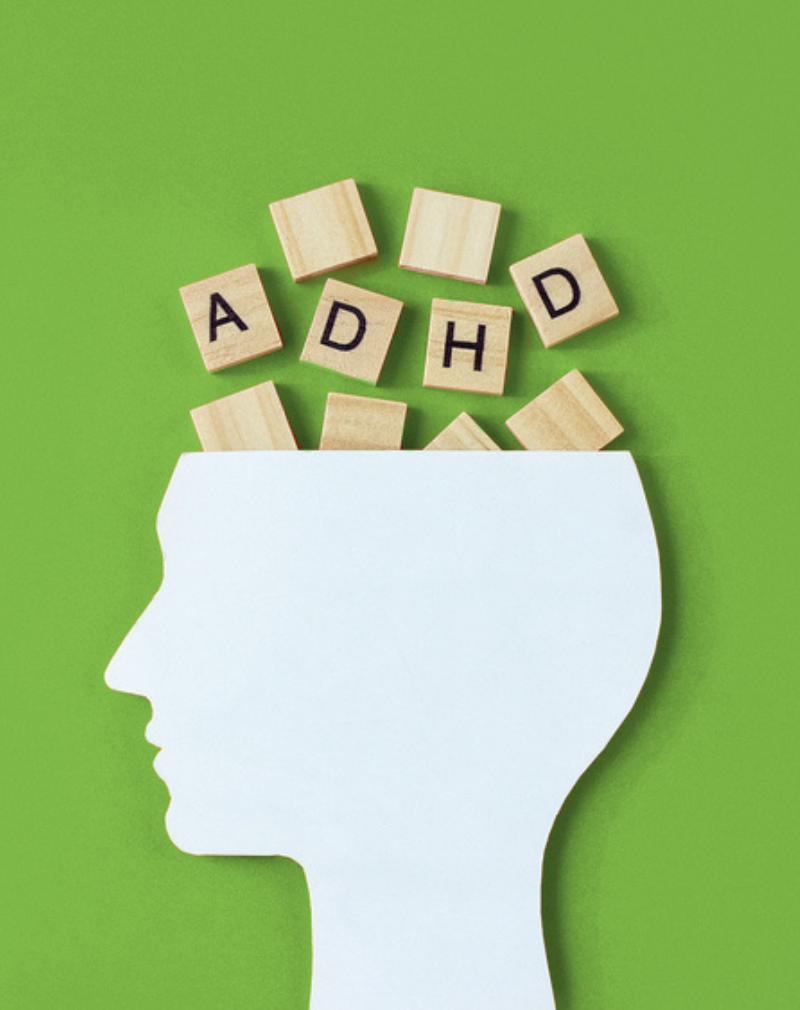
You’re in a meeting, nodding along, and your mind is already three places ahead. Or somewhere else entirely. You snap back, realize you missed something important, and quietly hope no one noticed.
This isn’t new. It’s been happening your whole life. The feeling that everyone else got an instruction manual you never received. That you’re slightly out of step with how people around you seem to function.
You’ve probably asked yourself: Is this just how I’m wired? Or is this ADHD that no one ever caught?
At The American Wellness Center in Dubai Healthcare City, our Psychiatry Department sees adults finally getting answers to questions they’ve carried for years. They are not broken, their brains just work differently and that difference has a name.
Why Adult ADHD Gets Missed
Most people picture ADHD as a hyperactive child who can’t sit still. That image leaves out millions of adults who’ve lived with it quietly for decades.
Childhood diagnosis was less common years ago, especially for girls and quiet kids. If you didn’t disrupt the classroom, no one looked twice.
Adults get good at masking. They build routines, set alarms, work twice as hard to keep up. Those coping mechanisms carry them for years. Until they don’t.
Here’s what most people miss: adult ADHD doesn’t always look like hyperactivity. It looks like mental restlessness. A mind that won’t stop spinning even when the body sits still.
The cost of living undiagnosed shows up everywhere. Shame for not being “together” like everyone else. Burnout from compensating constantly. Relationships that fracture because people think you don’t care when you just can’t keep track.
And here’s the uncomfortable truth: many adults are diagnosed only after their child is.
What Adult ADHD Actually Looks Like
ADHD isn’t just “can’t focus.” It’s inconsistent focus that confuses everyone, including you.
What it actually looks like:
- Hyperfocusing for hours one day, can’t finish an email the next
- Starting ten projects, finishing none
- Time blindness: always late or way too early, never just on time
- Emotional dysregulation—small critiques feel like rejection
- Interrupting not because you’re rude, but because thoughts leave if you don’t speak them
- Mental noise that never fully stops, even when you’re trying to rest
Globally, adult ADHD affects roughly one in twenty-five people. But recognition is still catching up, especially in regions where mental health was rarely discussed openly.
The Challenges Adults with ADHD Face Daily
ADHD doesn’t stay in your head. It spills into every part of life.
- At work: Missing deadlines despite working harder than everyone else. You have the ideas and the drive. Follow-through feels like dragging a weight uphill.
- In relationships: Partners feel ignored because you forgot yesterday’s conversation. Or you interrupt without meaning to. Or you promise something and genuinely forget.
- Self-image: Over time, you internalize the words people use. Lazy. Careless. Unreliable. You start believing them.
- Daily basics: Paying bills, scheduling appointments, remembering to eat lunch. Things everyone else handles without thinking feel like mountains.
And the exhaustion. Compensating all day, every day, just to appear functional.
At The American Wellness Center in Dubai Healthcare City, our Adult ADHD Evaluation & Treatment program addresses these real-life struggles—not just the symptoms, but how they show up in your work, relationships, and sense of self.
ADHD vs Anxiety, Depression, and Burnout
ADHD symptoms look a lot like anxiety, depression, or burnout. Distraction. Fatigue. Irritability. All three show up in each condition.
That overlap is why so many people get misdiagnosed. You’re given anxiety medication, and it doesn’t help. Or you rest for burnout, and nothing changes.
ADHD often coexists with anxiety or depression. Nearly half of adults with ADHD also meet criteria for an anxiety disorder. Depression rates are similarly high.
Burnout can mimic ADHD, but it responds differently to rest. Take a week off, and burnout softens. ADHD doesn’t. The distraction, the time blindness, the mental noise—they’re still there.
That’s why proper assessment matters. At The American Wellness Center, we differentiate. Whether your struggles stem from ADHD, anxiety, depression, or a combination, treatment has to match what’s actually happening.
When to Seek Professional Help
You don’t need to wait until everything falls apart. These signs mean it’s time:
- Coping strategies that once worked are failing
- Relationships or work performance suffering consistently
- Feeling constantly behind despite maximum effort
- Emotional overwhelm that doesn’t match the situation
- Self-medicating with caffeine, sugar, or other substances to function
- A persistent sense that something’s been off your whole life
If any of these feel familiar, you’re not overreacting. You’re paying attention.
What ADHD Evaluation and Treatment Actually Involves
Getting assessed for ADHD isn’t a quick checklist. It’s a conversation.
At The American Wellness Center in Dubai Healthcare City, our Adult ADHD Evaluation & Treatment program starts with a comprehensive clinical interview. We ask about your symptom history, how long patterns have been present, and how they impact your daily life—work, relationships, self-care.
We also differentiate ADHD from other conditions. Because distraction isn’t always ADHD. Fatigue isn’t always depression. The diagnosis has to be accurate before treatment begins.
From there, treatment is tailored:
- Medication when appropriate, adjusted carefully over time
- Behavioral strategies that help with time management, task initiation, and emotional regulation
- Lifestyle adjustments like sleep routines, exercise, and reducing decision fatigue
Treatment doesn’t end after the first appointment. Ongoing management and follow-up matter. ADHD changes with life stages. What works now may need adjusting later.
For patients on medication, our Psychiatric Medication Review & Management ensures treatment stays effective and side effects stay minimal. Because the goal isn’t just to function; it’s to feel like yourself again.
What Adults Can Start Doing Now
You don’t need a diagnosis to start supporting your brain better. These steps help whether you’re waiting for assessment or already in treatment.
Here’s what works:
- Externalize memory. Use alarms, apps, sticky notes. Your brain isn’t reliable for reminders—that’s not failure, it’s strategy.
- Break tasks into smaller, clearer steps. “Clean the kitchen” is overwhelming. “Wash three dishes” is doable.
- Build routines that reduce daily decisions. Same breakfast. Same gym time. Fewer choices mean less mental drain.
- Move your body. Exercise helps regulate ADHD brains. Even a ten-minute walk can reset focus.
- Stop blaming yourself for how your brain works. You’re not lazy. You’re not careless. Your brain just processes differently.
Diagnosis doesn’t change who you are. It explains it. And that explanation can be the difference between shame and clarity.
When Understanding Changes Everything
Living for years without answers quietly reshapes how a person sees themselves. Not broken, just tired of trying harder for results that never quite come. Sometimes clarity, not effort, is what’s been missing all along.
ADHD doesn’t erase strengths or rewrite identity. It explains the gaps, the overwhelm, the mental noise that never seemed to fit the story others told. Healing starts with naming what’s real.
If this feels familiar, it may be time to stop carrying it alone. Getting answers starts with one conversation at The American Wellness Center in Dubai Healthcare City. Contact Us Today!