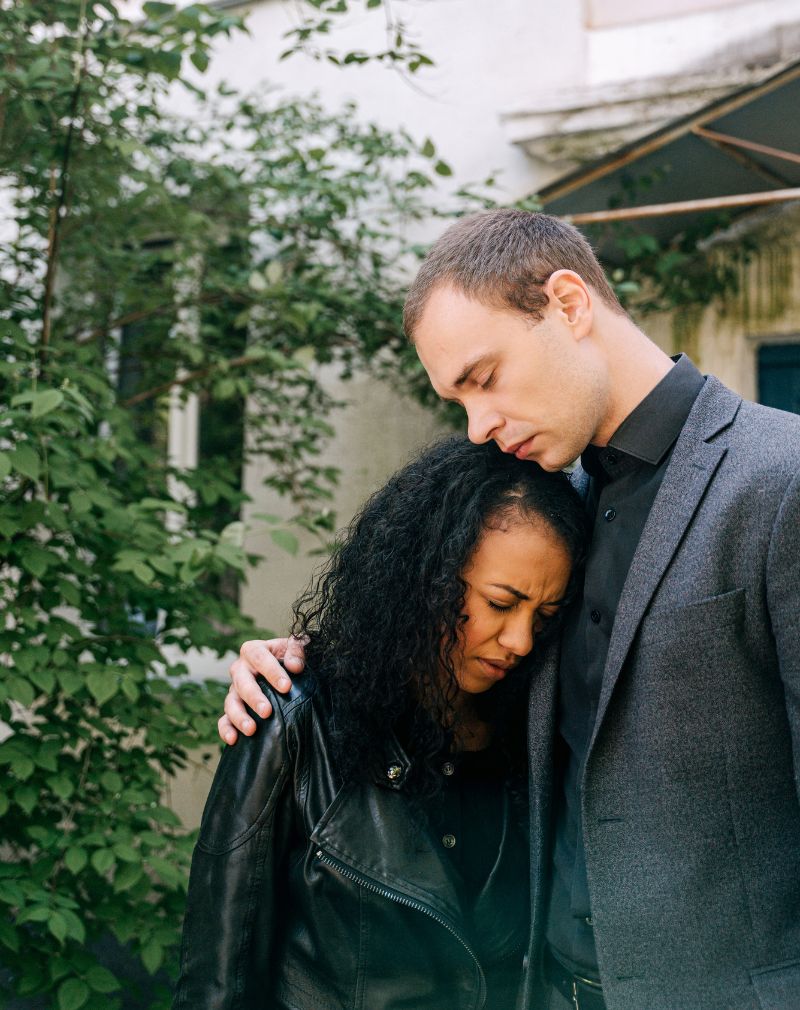
Pregnancy loss is processed medically before it is ever processed emotionally. You leave the hospital with discharge notes, maybe a follow-up appointment, and a body that is already being asked to recover. What happened inside your mind gets no such attention.
Around one in four known pregnancies ends in miscarriage. And yet, a study published in BJOG: An International Journal of Obstetrics and Gynaecology found that 29% of women showed symptoms of PTSD nine months after early pregnancy loss, with rates of anxiety and depression remaining elevated well beyond that window.
The gap between “physically cleared” and “actually okay” is real, and for many women it lasts years. The Female Mental Health Department at The American Wellness Center in Dubai Healthcare City, this gap is something clinicians take seriously, because the emotional weight of pregnancy loss and birth trauma rarely resolves on its own schedule.
What you feel after a loss, or after a birth that frightened you, is not a phase. It is not something to be moved past quickly because others have moved on. Grief after pregnancy does not follow the rules people expect it to follow, and that confusion is often where the real pain lives.
What Miscarriage Actually Does to the Mind
Sadness is the word people use. It is accurate, but it is also incomplete, the way saying someone is “tired” when they haven’t slept in three days is technically true but misses something.
Miscarriage disrupts more than a pregnancy. It disrupts a version of the future that had already started forming. Names considered, rooms imagined, a whole identity beginning to shift toward “mother.” When the pregnancy ends, all of that disappears without ceremony.
Hormonally, the body also drops sharply. Progesterone and estrogen, which rise significantly during pregnancy, fall rapidly after loss. This is a physiological event happening simultaneously with grief, and the two compound each other in ways that are often mistaken for weakness or overreaction.
The psychological toll shows up in specific, recognizable ways:
- Around 29% of women meet criteria for PTSD following early pregnancy loss
- Rates of clinical depression and anxiety remain elevated for many months afterward
- A 2021 study in The Lancet found these symptoms persisting in a substantial number of women even a year later
What makes this harder is that the grief is often disenfranchised, meaning it isn’t always recognized by others as worthy of space and time. A miscarriage at six weeks is still a loss. The length of a pregnancy does not determine the depth of what was carried.
Birth Trauma Is Real, and Rarely Spoken About
Birth trauma is not reserved for the most medically dramatic deliveries. It is defined not by what happened objectively, but by how it was experienced. A woman can have a birth where everything goes “well” by clinical measures and still leave that room shaken in a way she cannot explain.
What creates trauma is often the feeling of being unheard, of asking for something and being dismissed, of losing control over your body at the moment you were most vulnerable. That experience doesn’t require a complication to be real.
The guilt that follows is one of the quieter cruelties of birth trauma. Many women find themselves unable to speak about it because their baby is alive and healthy, and that fact feels like it should cancel everything else. It doesn’t. Gratitude and trauma can occupy the same body at the same time, and one does not erase the other.
Studies suggest roughly 4 to 5% of women develop PTSD following childbirth, with higher rates among those who experienced emergency interventions or felt their concerns were dismissed during labour. That number likely undercounts the women who never speak about it at all.
The Grief That Has No Funeral
There is no established ritual for pregnancy loss. No gathering, no eulogy, no formal moment where the people around you pause and acknowledge what has ended. You are expected to grieve quietly, and then to move forward on a timeline that suits everyone else’s comfort.
The statements meant to help rarely do. Most women who have experienced loss will recognise these immediately:
- “At least it was early”
- “At least you know you can get pregnant”
- “At least you have other children”
What each of these communicates, without meaning to, is that the loss is proportionate, manageable, containable. Grief doesn’t work in proportions.
The absence of social recognition means many women carry this privately for far longer than they should. The silence isn’t protection. It accumulates.
This is where dedicated support makes a real difference. Miscarriage, birth trauma and grief support gives women a structured, safe place to say the thing they’ve been carrying, without worrying about how it lands. Not to be fixed. Just to be heard properly, by someone trained to hold that kind of weight.
When to Recognize That You Need More Than Time
Time does help. But it doesn’t help everything, and waiting too long to make that distinction is one of the more common ways women end up carrying something much heavier than they needed to.
Grief after pregnancy loss has a shape. It moves, even when it’s painful. What’s worth paying attention to is when it stops moving, when the same thoughts, the same weight, the same dread keeps returning without softening.
Some signs that what you’re carrying has moved beyond grief into something that needs proper support:
- Intrusive memories or flashbacks of the loss or birth that arrive without warning
- Avoiding anything that reminds you of the pregnancy, including people, places, or conversations
- Feeling detached from your baby, your body, or your own life
- Persistent guilt or shame that doesn’t respond to reassurance
- Sleep that won’t come, or that brings no rest when it does
- A sense that nothing will be safe next time, even before a next time exists
These are not signs of fragility. They are recognised symptoms of postnatal depression, PTSD, and prolonged grief disorder, and all of them respond to treatment.
Postnatal and maternal mental health care addresses what emerges after birth or loss. Prenatal and antenatal mental health support matters too, because for many women, the anxiety doesn’t wait, it begins the moment a new pregnancy is confirmed, sometimes before.
What Healing Actually Looks Like
It isn’t linear. Most women who have been through this know that already, because they’ve had good weeks followed by days that felt like starting over. That’s not failure. That’s what this actually looks like.
What therapy offers that time alone cannot is structure for the thing your mind keeps circling. Trauma-focused approaches like EMDR help process memories that have become stuck. Somatic work addresses what the body is still holding, the tension, the hypervigilance, the flinching, that talking alone doesn’t always reach.
Peer support matters too, not as a replacement for clinical care, but because being in a room, or even a conversation, with someone who has been through it removes the isolation that makes grief heavier than it needs to be.
Healing doesn’t mean forgetting, or arriving at a place where the loss no longer has weight. It means the weight becomes something you can carry without it defining every day. That’s a quiet thing, and it comes gradually, usually with help.
You Don’t Have to Be Over It
Some losses don’t come with a clear end point. They settle into the background of daily life, present in small moments, quiet and unannounced. That isn’t something gone wrong. That is what it means to have loved something, even briefly.
What many women need most isn’t a solution. It’s someone to sit with the weight of it honestly, without rushing toward the next hopeful thing.
If what you’ve read here felt familiar, that recognition matters. It means what you’re carrying has a name, and things with names can be worked with. The team at The American Wellness Center in Dubai Healthcare City understands that this kind of pain doesn’t follow a schedule, and support is available whenever you’re ready, not when others think you should be.
You don’t have to be fully broken to ask for help. And you don’t have to be fully healed to deserve it.