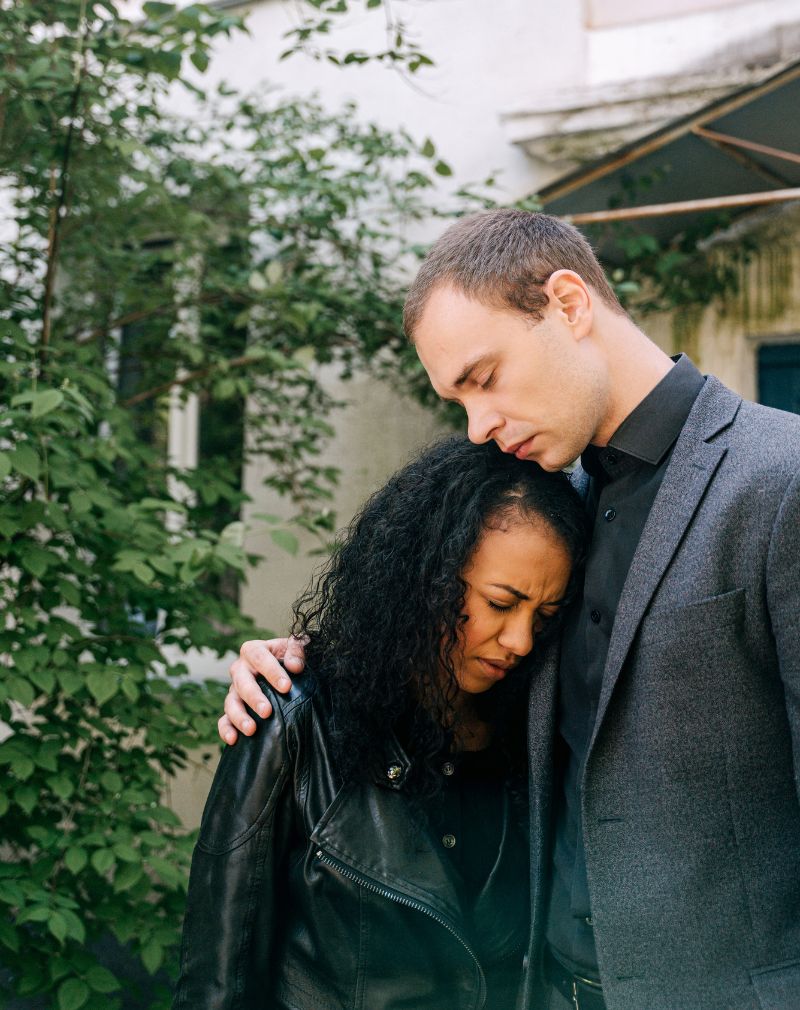
Most couples grieve infertility in silence. Not because they want to, but because the world doesn’t know how to hold that kind of pain.
One in six people globally will experience infertility at some point. That’s not rare. Yet most carry it alone, answering the same questions at family dinners, smiling through pregnancy announcements, pretending the weight isn’t there.
Infertility doesn’t just live in the body. It touches everything: how you see yourself, how you speak to your partner, how you move through a world that assumes parenthood comes easily. The medical appointments are one thing. The emotional toll is another.
At The American Wellness Center in Dubai Healthcare City, we see both. We know that treating infertility means more than tracking cycles or adjusting protocols. It means making space for the grief, the anger, the fear that no one prepared you to feel.
What happens when hope starts to hurt?
What Infertility Does to the Mind
The diagnosis doesn’t arrive gently. It lands hard, turning hope into something clinical, something you have to manage instead of trust.
Grief doesn’t follow a schedule. One day you feel angry. The next, numb. Then shame arrives without warning, whispering that your body failed at something it was supposed to do naturally.
People tell you to stay positive. They mean well. But positivity doesn’t stop the spiral that starts every month when your period comes. That moment becomes a confirmation of loss, over and over.
Monthly cycles turn into emotional landmines:
- You plan around them
- You brace for them
- Each one carries the weight of another failed attempt
The strain shows up in unexpected places too. How you see yourself shifts. Some women stop recognizing their reflection. Others develop complicated relationships with food, exercise, or self-worth. The emotional toll doesn’t stay contained.
The Relationship Under Strain
Infertility doesn’t just test you. It tests the two of you, and often in opposite directions.
One partner wants to talk through every detail. The other wants silence, space, a break from the constant emotional weather. Neither is wrong. Both feel alone.
The bedroom changes. Intimacy becomes timed, purposeful, sometimes obligatory. What used to feel natural now feels like a task. Desire fades under pressure, and closeness becomes the first casualty.
Communication breaks down because the pain doesn’t translate easily:
- One reaches out, the other pulls back
- You’re grieving, but rarely at the same time
- Words fail when you need them most
Then there’s the outside world. Extended family asks when you’re having kids. Friends announce pregnancies. Every baby shower invitation feels like a reminder of what you don’t have.
The isolation becomes its own burden. You feel surrounded by people who got pregnant without trying, without tracking, without the emotional toll you carry daily.
The Hidden Weight Women Carry
Women grow up hearing that motherhood is inevitable. It’s woven into everything: family expectations, cultural messages, the quiet assumption that your body will cooperate when you’re ready.
When it doesn’t, the body feels like a betrayal. You followed the steps. You did everything right. And still, nothing.
You start comparing. Every pregnancy announcement feels personal. Every woman pushing a stroller looks like proof that you’re the exception, the one whose body didn’t get the memo.
This weight often intersects with deeper struggles around body image and self-esteem. When the body doesn’t perform the way you expected, it’s easy to turn that disappointment inward:
- Shame takes root
- Disconnection from your own body grows
- Your body feels like it belongs to the medical system now, not to you
The exhaustion of explaining or hiding your pain becomes its own job. You learn which friends can hold the truth and which ones will offer hollow reassurances.
The Male Experience That Goes Unspoken
Men grieve infertility too. They just do it quietly, often alone, because the world doesn’t make space for their pain.
The pressure to “be strong” shuts down processing. Men are taught to fix problems, not sit with sadness. When there’s nothing to fix, they withdraw.
Watching a partner suffer brings its own helplessness:
- You can’t take the pain away
- You can’t make the treatments work faster
- All you can do is stay present, and sometimes that feels like doing nothing
Male infertility carries an additional layer of silence. It’s rarely discussed openly. The shame around it runs deep, tangled with outdated ideas about masculinity and virility.
The grief exists. It just doesn’t always look the way people expect it to.
What Coping Actually Looks Like
Coping doesn’t mean staying positive every day. It means finding ways to breathe when everything feels heavy.
Give yourself permission to feel all of it. The anger, the sadness, the jealousy when someone announces their pregnancy. You don’t have to be grateful for what you have in order to grieve what you don’t.
What actually helps:
- Set boundaries with people who don’t understand
- Skip baby showers when you need to
- Mute social media without guilt
- Say “I’m not ready to talk about it” without explaining further
Find your people. Support groups, therapy, online communities where others speak the same language. Sometimes the most healing thing is hearing someone else say, “Me too.”
Self-care isn’t bubble baths and affirmations. It’s protecting your emotional energy. It’s recognizing when you need to step back, when you need to cry, when you need to stop pretending you’re fine.
When Professional Support Becomes Essential
Some pain outgrows what you can carry alone. That’s not failure. That’s biology asking for help.
You know it’s time when the emotional strain stops easing between cycles. When sleep becomes impossible, not just difficult. When anxiety follows you into every room, every conversation, every quiet moment.
Infertility-related mental health counseling gives you space to process what most people can’t hold. The grief that has no body to mourn. The anger at your own body. The identity shift that happens when motherhood feels further away each month.
Therapy offers something different than what friends or family can provide:
- Validation without comparison or fixing
- Coping strategies built for this specific kind of loss
- A place to be honest about the dark thoughts without judgment
- Permission to grieve even when others tell you to stay hopeful
At The American Wellness Center in Dubai Healthcare City, support for women navigating fertility challenges integrates both medical and emotional care. The goal isn’t just treating the body. It’s steadying the mind while the body tries to catch up.
Sometimes the hardest part is admitting you need more than willpower to get through this. Professional support doesn’t mean you’re weak. It means you’re paying attention to what your mind has been trying to tell you.
Life Beyond Treatment Outcomes
Treatment ends. One way or another, it ends. What comes after matters just as much as what came before.
Whether you become a parent or not, emotional healing doesn’t stop at the result. The grief you carried, the strain on your relationship, the identity questions that surfaced, they all need tending. Outcomes don’t erase the journey.
Redefining what family and fulfillment mean takes time. Some people find peace in adoption, surrogacy, or living child-free by circumstance. Others stay in the liminal space between hope and letting go. There’s no single path that looks right for everyone.
The transition into acceptance can’t be forced. It arrives slowly, unevenly, often when you stop looking for it. You don’t wake up one day and feel fine. You wake up one day and realize the grief doesn’t consume you the way it used to.
For some women, midlife brings new emotional reckonings around fertility, identity, and what comes next. Menopause can reopen old wounds or offer unexpected closure. The body moves forward even when the heart hasn’t fully caught up.
Grief and hope can exist together. That’s not contradiction. That’s survival. You can mourn what didn’t happen while still building a life that matters. You can feel loss and joy in the same breath.
Healing doesn’t mean forgetting. It means learning to carry it differently.
When the Weight Becomes Too Much to Carry Alone
Infertility doesn’t just test your body. It tests your sense of self, your relationship, your ability to hope when hope keeps breaking.
Coping isn’t about staying strong every single day. It’s about recognizing when you can’t, and finding support that meets you there. Strength isn’t silence. Sometimes it’s just asking for help before you fracture completely.
Emotional healing doesn’t follow a timeline. It doesn’t care about treatment outcomes or how long you’ve been trying. Grief moves at its own pace, and so does recovery. What matters is that you don’t face it in isolation.
If any of this feels familiar, if the weight has become too heavy to carry quietly, it may be time to reach out. The American Wellness Center in Dubai Healthcare City offers infertility-related mental health counseling that honors both the medical reality and the emotional toll. You don’t have to do this alone. Healing begins when you stop pretending you can.