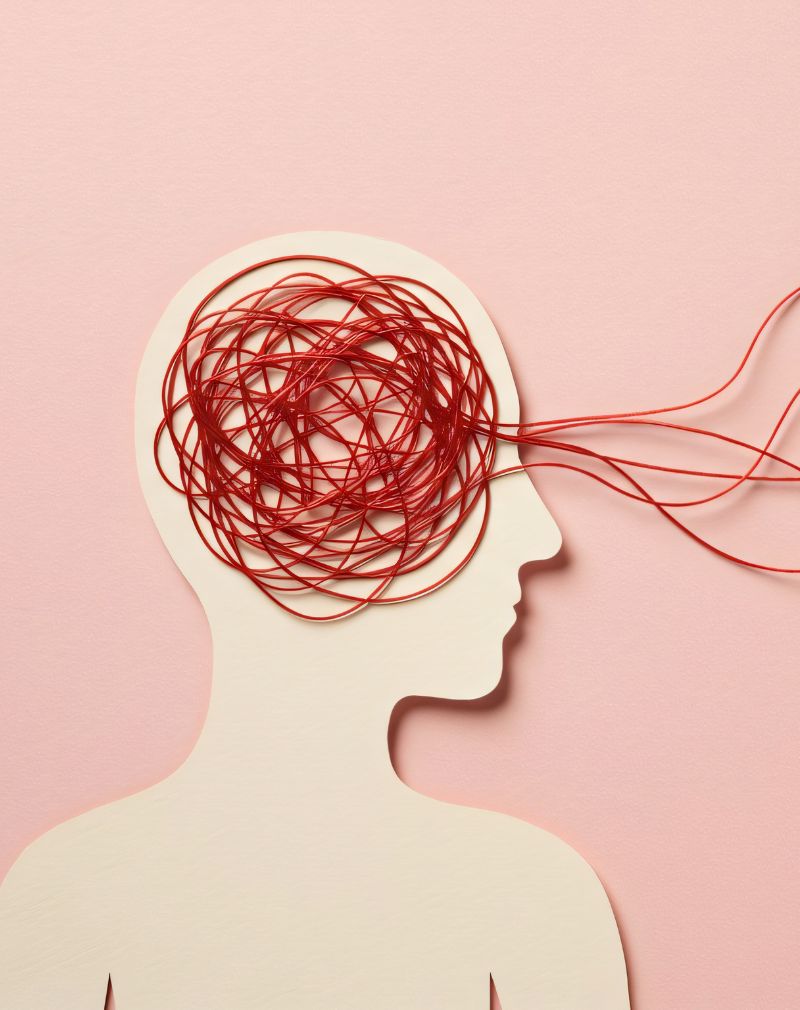
Medications don’t work for everyone. That’s a quiet truth many people carry, along with the worry that maybe they’ve run out of options.
Some people live with depression longer than they expected. They try one treatment, then another, and still don’t feel like themselves again.
This is where Transcranial Magnetic Stimulation (TMS) comes in, a non-invasive treatment that works directly with the brain, not the whole body.
At The American Wellness Center in Dubai Healthcare City, it’s explored with medical guidance, not pressure.
If you’re hearing about TMS for the first time and wondering whether it could make sense for you, where do you even begin?
What TMS Therapy Actually Is
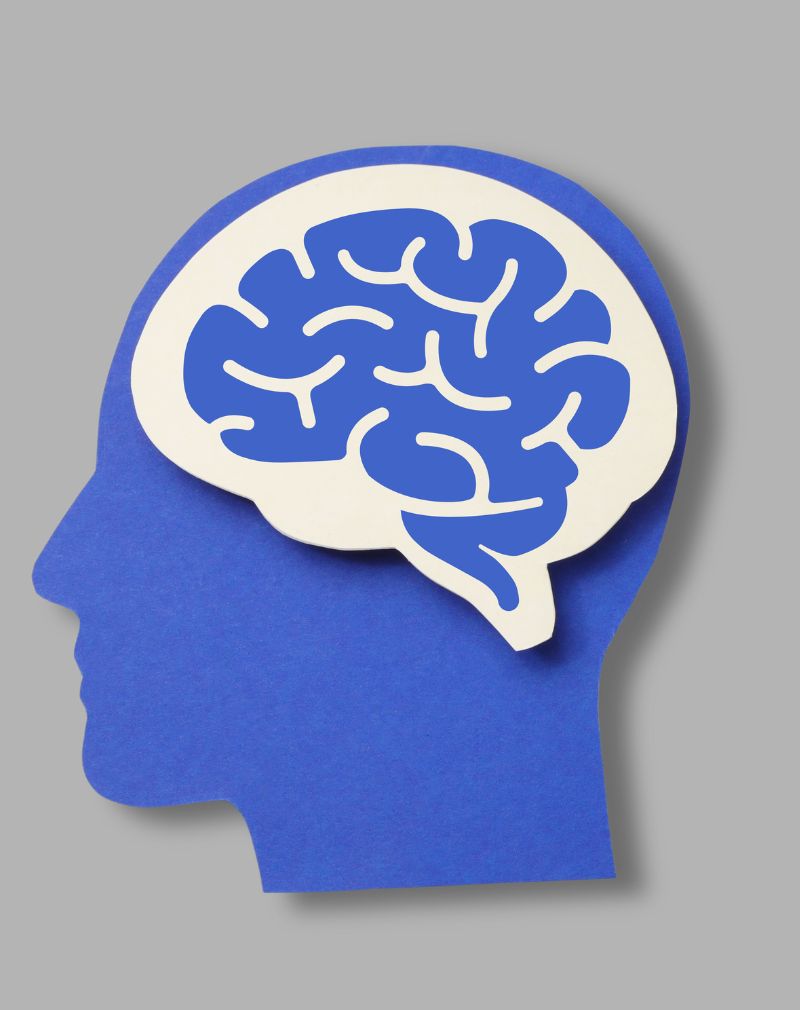
TMS uses gentle magnetic pulses to activate parts of the brain involved in mood regulation.
There’s no surgery, no sedation, and nothing entering the body.
Here’s what most people need to hear early: TMS is not electroconvulsive therapy, and it doesn’t cause memory loss.
The uncomfortable truth is this. TMS doesn’t change who you are, it helps underactive brain circuits start communicating again.
Unlike medication, which travels through your whole system, TMS works locally.
It focuses on one area, instead of asking the entire body to adjust.
That distinction matters, especially for people who feel worn down by side effects.
And it leads naturally to the next question, why was this treatment created in the first place?
Why TMS Was Developed
Some brains don’t respond fully to medication or talk therapy alone. That’s not failure, it’s biology.
Many patients sit across from a doctor thinking, “Why isn’t this working for me?” The answer is rarely about effort or attitude.
Here’s what most people miss. Depression can involve reduced activity in specific brain regions, not just chemical imbalance.
TMS was developed to address that gap directly.
Research into brain stimulation showed that targeted activation could improve mood without affecting the rest of the body.
Needing another option doesn’t mean your condition is severe or hopeless.
It simply means your brain may need a different kind of support.
That brings us to the most practical question people ask next, is this meant for someone like me?
Who TMS Therapy Is For
TMS is most often used for depression that hasn’t improved with medication. It’s also considered when side effects make medication hard to tolerate.
This isn’t about self-diagnosis. Suitability is assessed carefully, based on medical history and current symptoms.
A slightly uncomfortable idea worth naming. TMS isn’t a shortcut, and it isn’t a last resort, it’s a different pathway.
At The American Wellness Center in Dubai Healthcare City, evaluation is part of the process. The goal is clarity, not rushing anyone into treatment.
Once people know they’re a potential candidate, fear often shifts to curiosity. And that curiosity usually centers on what a session actually feels like.
What Happens During a TMS Session
A TMS session looks quieter than most people expect. You sit in a comfortable chair, fully awake.
A magnetic coil is positioned near your head. It delivers brief tapping sensations to the scalp.
Most patients notice three things:
- A rhythmic tapping feeling
- No sedation at any point
- Full awareness throughout
The first session can feel unfamiliar. That’s normal, and it doesn’t mean something is wrong.
Sessions are outpatient. People return to work, driving, and daily routines immediately after.
Once the fear of the session itself settles, attention turns to timing. How long does this actually take, and when does change happen?
How Long Treatment Takes and What Progress Looks Like
TMS is delivered over multiple sessions each week. Treatment usually spans several weeks.
Here’s an important truth to hold gently. Improvement is often gradual, not dramatic.
Some people notice shifts in sleep or focus first. Mood changes tend to follow, rather than arrive all at once.
Emotional ups and downs early on are common. That doesn’t mean the treatment isn’t working.
Progress is monitored closely by the clinical team. Adjustments are made based on how the brain responds over time.
Understanding the pace helps people stay grounded. And it prepares them for the final, often most important conversation, safety and reassurance.
Safety, Side Effects, and Common Concerns
By this point, most people aren’t wondering if TMS could help. They’re wondering if it’s safe to let their brain be involved at all.
That hesitation makes sense. Anything that works with the brain deserves careful questions, not blind trust.
The most common side effects are mild and temporary:
- Scalp discomfort during or after sessions
- Mild headaches early in treatment
Here’s what people often fear, and what matters to say clearly. TMS does not cause memory loss, and it does not change your personality.
The slightly uncomfortable but honest truth is this. TMS is safe, but it still requires proper medical screening and supervision.
At The American Wellness Center in Dubai Healthcare City, safety protocols are not optional extras. They’re part of how treatment decisions are made from the very beginning.
Once safety feels clearer, another question usually follows. Where does TMS actually fit alongside everything else someone has already tried?
TMS vs Medication and Therapy
It’s easy to think in terms of replacements. “If this works, does that mean everything else failed?”
Here’s what most people need to hear. Mental health treatment is rarely linear, and almost never one-size-fits-all.
TMS can work alongside medication and therapy. It doesn’t cancel them out, and it doesn’t compete with them.
Some people continue therapy while doing TMS. Others adjust medication slowly, with medical guidance, as their brain responds.
This isn’t about choosing the “right” single treatment. It’s about building a care plan that fits how your brain actually works.
TMS is one part of that picture. And for many people, it’s the missing piece that helps the rest finally make sense.
Taking Yourself Seriously Starts Here
Healing often begins before a decision is made. It starts the moment someone admits that what they’ve tried hasn’t been enough.
TMS is quiet, non-invasive, and guided by medical care. It exists for people who still want relief, even after other options fell short.
Curiosity doesn’t lock anyone into treatment. It simply opens a door that’s been closed for too long.
The TMS Therapy team at The American Wellness Center in Dubai Healthcare City is there for that first conversation, steady and unhurried.
Looking at another option isn’t giving up. It’s choosing to take your own wellbeing seriously.